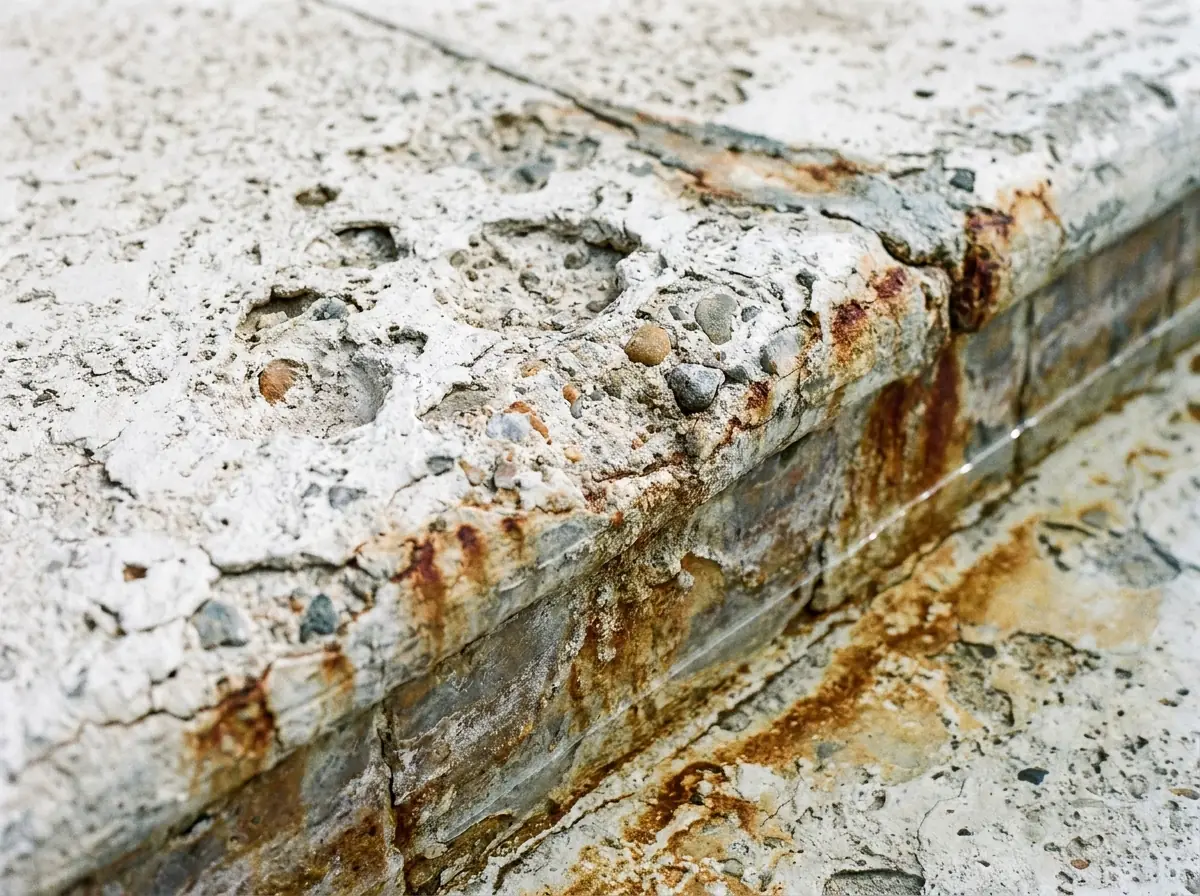
1. The Surface Feels Rough or Abrasive Underfoot
If your feet are getting scraped on the steps, your swimsuits are snagging on the walls, or the floor of the pool feels like sandpaper rather than a smooth surface, the top layer of your finish is gone. What you are feeling is the aggregate or the raw substrate underneath, and that is not a surface doing its job anymore. In my experience with Kansas City pools, this is the single most common reason homeowners call about resurfacing. They put up with it for a season or two, and then it gets bad enough that nobody wants to get in. The honest read here: once a surface is scraping skin and shredding suits, it is past cosmetic. It does not smooth itself out over time. Plaster is porous and chemically active, and as it ages it roughens rather than wearing smooth. If you want to understand why plaster gets to this point and what the full comparison looks like, the <a href="/ecofinish-vs-plaster">ecoFINISH vs. plaster breakdown</a> goes into the details. The fix is <a href="/services/gunite-fiberglass-pool-refinishing">resurfacing the pool</a>, and this is exactly where ecoFINISH® shines as the premium polymer option. ecoFINISH goes on as a heat-fused, pH-neutral continuous shell that stays soft underfoot rather than roughening with age, which is a product fact from the manufacturer and a big part of why I recommend it as an upgrade when someone's surface has gotten to this point. You can see the full ecoFINISH option at the <a href="/services/ecofinish-pool-coatings">ecoFINISH pool coatings page</a>.
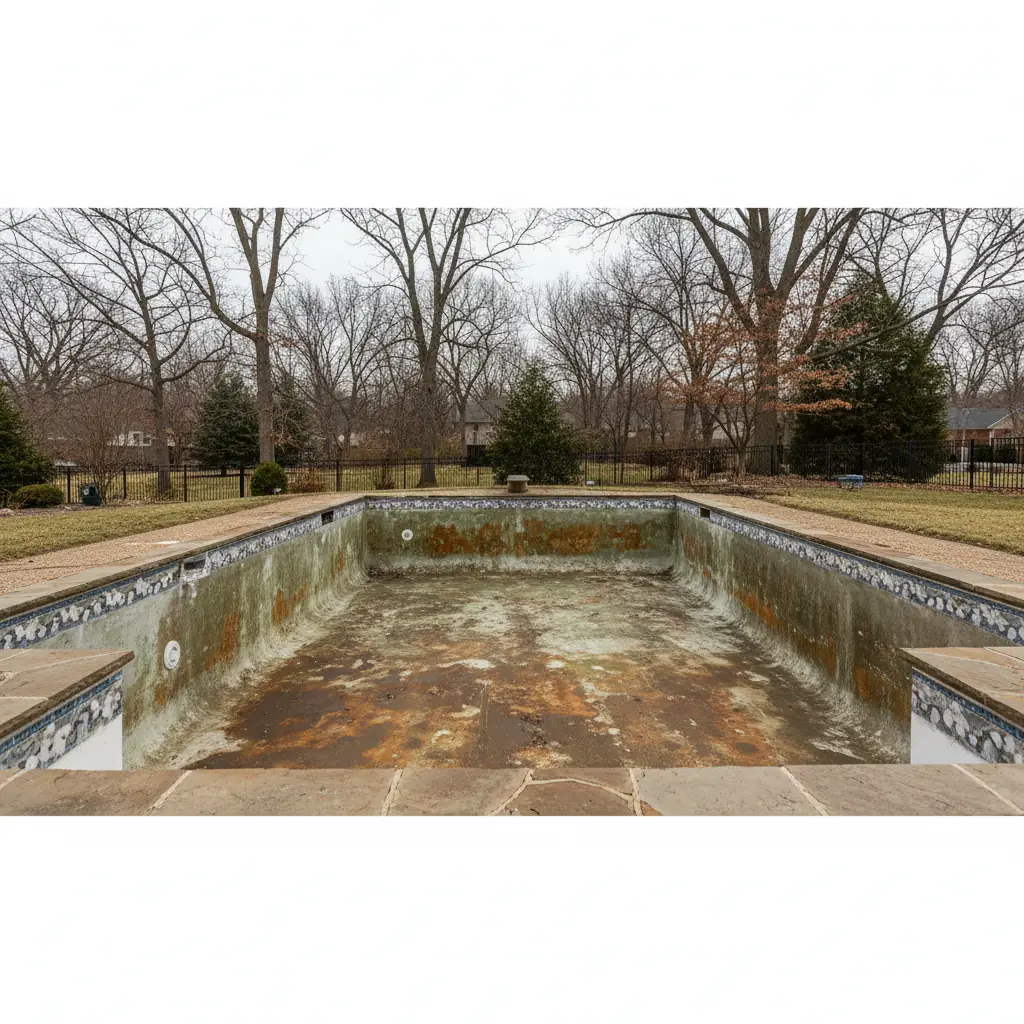
2. Stains or Discoloration You Cannot Scrub Off
Rust-colored rings, greenish blotches, grey patches, or dark blotchy marks that brushing and shocking the pool will not touch are a sign that the surface has absorbed something it should not be able to. When a pool finish is intact, it has a sealed top layer that keeps minerals, metals, and organic material from soaking in. When that layer has worn away, the surface becomes porous and starts absorbing everything the water carries. Once something is in a porous surface, you cannot scrub it back out. I want to be honest here: light staining on its own is not a crisis. A single stain you notice for the first time this season can wait. But staining you cannot remove, especially when it is spreading or combined with the rough texture from sign number one, usually means the surface has crossed a line. It is absorbing things now, which means the sealed layer is gone and the surface is telling you it is near the end of its useful life. <a href="/services/gunite-fiberglass-pool-refinishing">Resurfacing</a> is the real fix in that situation, not more chemicals. One of the reasons I recommend ecoFINISH as the premium upgrade is that its heat-fused, non-porous surface resists staining and algae adhesion rather than absorbing them, which is a manufacturer product fact worth knowing when you are choosing what goes back on.
3. The Finish Looks Chalky or Is Fading
A dull, washed-out look. Color that has faded unevenly so one end of the pool looks different from the other. A white chalky residue on your hand when you run it along the wall, or a white film on the pool floor that is not algae. Sometimes homeowners call this plaster dust. What you are seeing is the surface breaking down and shedding. The binder is failing and the finish is literally wearing away into the water. At first this is cosmetic, and in the early stages it mostly just looks tired. But a surface that is chalking and fading is showing you it is near the end of its life, and that process only accelerates. The fix is <a href="/services/gunite-fiberglass-pool-refinishing">resurfacing</a>, and this is actually one of the more exciting conversations because a new surface is also a chance to change the look entirely. ecoFINISH is fade-resistant and available in 20 colors at the same price for any color, so if you have always wanted a different blue or want to try a neutral tone, a resurfacing project is when that happens. I have the full palette at the <a href="/services/ecofinish-pool-coatings">ecoFINISH coatings page</a> if you want to see the options.
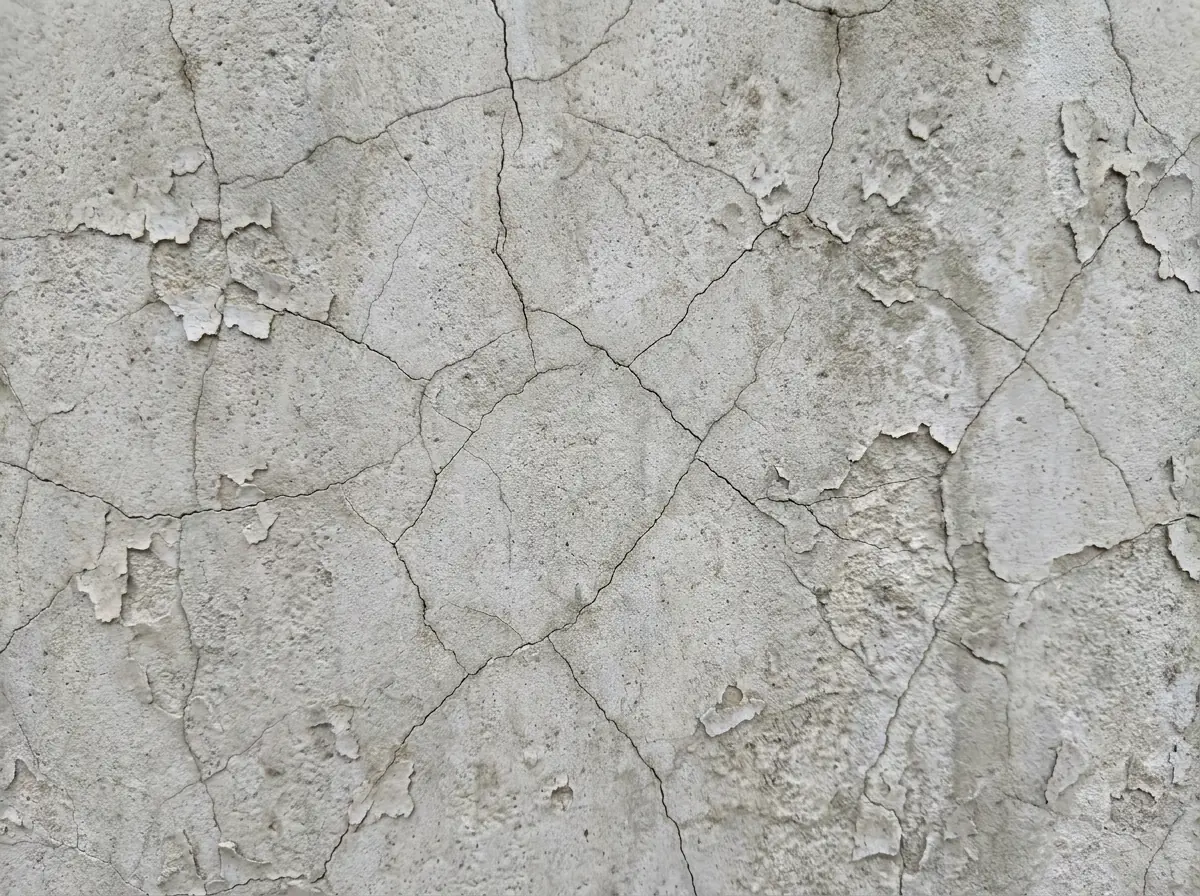
4. Surface Cracks (and Why the Distinction Matters)
Cracks come in two very different categories, and getting that distinction right is important. Fine hairline cracking spidered across the surface, sometimes called check-cracking, is a finish-aging issue. The surface has contracted and expanded over the seasons until the top layer cracked. It looks more dramatic than it is, and resurfacing addresses it directly because you are replacing the surface entirely. Larger or growing cracks are a different conversation. A defined crack that keeps getting longer, or one that has opened up noticeably between one season and the next, can indicate movement in the shell itself. That may need repair before any new surface goes on, because putting a new finish over a structural problem just hides it temporarily. This is the sign I tell homeowners to take most seriously. Do not paint over a crack and call it done. If you are seeing a crack that is growing, especially paired with water loss, get it looked at. <a href="/services/pool-leak-detection-crack-repair">Crack repair</a> is something we handle locally, either as a standalone fix or as part of a broader renovation, and we will tell you honestly whether what you have is a finish issue or something that needs structural attention before resurfacing makes sense. Either way, we can take it through the whole process, from diagnosis to a finished surface, under one roof.
5. The Pool Is Losing Water
If you are topping off the pool more than usual, noticing a creeping water bill, or finding wet or soft spots around the pool equipment, water loss is worth taking seriously. Some water loss is normal evaporation, especially in a hot Kansas City summer. But persistent loss that goes beyond what the season explains can point to a crack in the surface, a failing fitting, or a plumbing issue. The right first move is to confirm whether you actually have a leak before assuming a resurfacing job is the answer. Our post on <a href="/blog/how-to-tell-if-your-pool-is-leaking">how to tell if your pool is leaking</a> walks through exactly how to do that. If you do confirm a leak, <a href="/services/pool-leak-detection-crack-repair">our leak detection and crack repair service</a> is the place to start. Then, if the surface itself turns out to be the culprit, resurfacing from there makes sense.
If you are seeing more than one of these signs together, that is the strongest signal it is time to resurface rather than wait another season. One thing I always tell homeowners: whatever surface goes back on the pool, the prep is what makes it last. The finish goes on in a day; the prep takes a week. If you have questions about what the project would actually involve or what it costs, the <a href="/blog/pool-resurfacing-cost-kansas-city">pool resurfacing cost guide for Kansas City</a> is a good next read.